
Root Canal Therapy
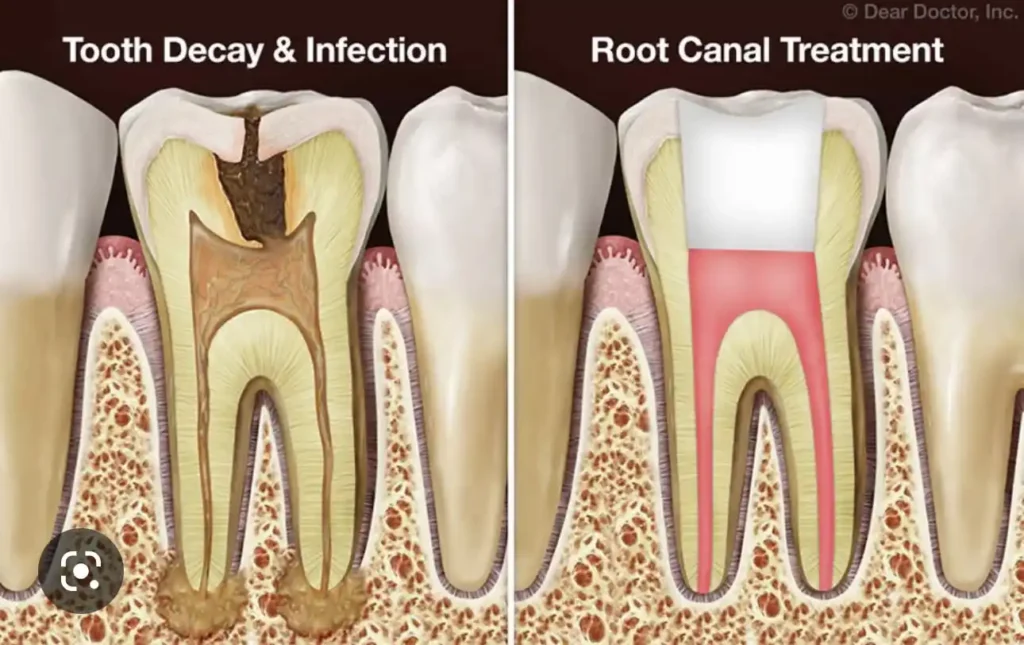
Root canal therapy is used to treat infection or inflammation within a tooth, relieving pain and saving the natural tooth. After the area is thoroughly anesthetized, the affected tooth is carefully cleaned and sealed to prevent further infection. Our goal is to ensure the patient is comfortable throughout the entire process. Oftentimes, a crown is recommended following a root canal treatment to ensure the tooth is sealed and protected long-term.
Signs You May Need a Root Canal
- Persistent tooth pain
- Sensitivity to hot or cold that lingers
- Swelling or tenderness in the gums
- Darkening or discoloration of the tooth
- Pain when chewing or touching the tooth
- Pain that makes it difficult to sleep
- A pimple-like bump on the gums
What Happens During a Root Canal
A root canal is designed to remove infection while preserving the natural tooth structure.
First, the tooth is evaluated, and imaging is used to assess the extent of the infection and evaluate the inner anatomy of the tooth. The tooth is then anesthetized to ensure comfort throughout the procedure.
Dr. Gregory carefully removes the infected pulp from inside the tooth, cleans and disinfects the root canals, and then fills and seals the space to prevent future infection.
In many cases, a crown is recommended afterward to restore strength and function to the treated tooth.
Endodontics
Endodontic treatment focuses on saving natural teeth that are infected or severely damaged. When decay or trauma reaches the inner pulp of a tooth, it can cause significant pain. If left untreated, it can lead to infection. Dr. Tanner Gregory provides endodontic care designed to relieve discomfort, eliminate infection, and preserve the natural tooth whenever possible.
What Is Endodontic Treatment?
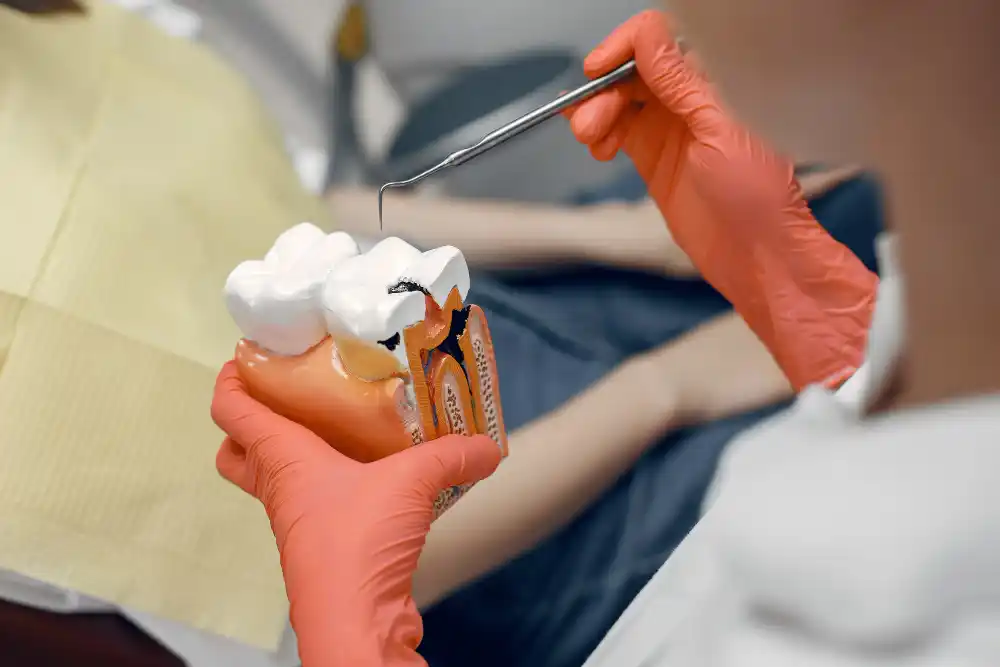
When the pulp becomes infected or severely inflamed, treatment is necessary to remove the damaged tissue. Receiving treatment promptly is essential to protect the remaining part of the tooth.
Common causes include:
- Deep decay that reaches the pulp
- Repeated dental procedures on the same tooth
- Cracks or fractures that extend deep into the tooth
- Trauma or injury to the mouth
- An infection that develops at the root
Recovery After Endodontic Treatment
Recovery from a root canal is typically straightforward. Most patients experience mild tenderness for a short period after treatment, which can usually be managed with over-the-counter pain relief.
Normal activities can often be resumed the same day, depending on how the patient feels.
To support healing:
- Minimize chewing on the treated side until fully restored
- Maintain good oral hygiene
- Follow any specific instructions provided by Dr. Gregory
- Return for any recommended follow-up care or crown placement
Saving Your Natural Tooth
The primary goal of endodontic treatment is to preserve the natural tooth. Keeping your original tooth helps maintain bite alignment, chewing efficiency, and overall oral health. When treated early, many teeth that would otherwise need extraction can be saved successfully.

Why Patients Choose Gregory Dentistry
Patients choose Gregory Dentistry for endodontic care because of our focus on clear communication and clinical excellence. Dr. Gregory understands the anxiety many patients feel about dental treatment and performs every step of the root canal procedure with patient comfort in mind.
To schedule an evaluation, contact our office at (512) 900-9697.
FAQs
Is a root canal painful?
Modern root canal treatment is designed to relieve pain, not cause it. Local anesthesia is highly effective in keeping you comfortable during the procedure.
How long does a root canal take?
Most root canals can be completed in one to two appointments depending on the complexity of the tooth.
What happens if I don’t treat an infected tooth?
An untreated infection can spread, leading to increased pain, bone loss, and potential tooth loss.
Will I need a crown after a root canal?
In many cases, a crown is recommended to protect and strengthen the treated tooth.
How long does a root canal last?
With proper care and restoration, a treated tooth can last many years and often a lifetime.